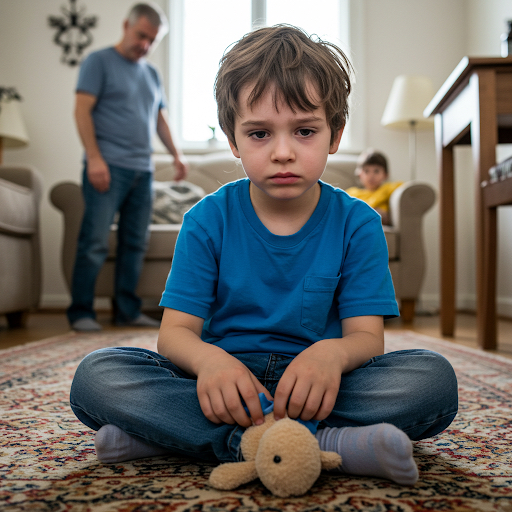
A child’s development is deeply intertwined with the unwavering support and acceptance of their parents. This foundation of understanding becomes particularly critical when a child faces the complexities of a mental health diagnosis or a neurodevelopmental condition like autism. Tragically, when a parent refuses to acknowledge, accept, or accommodate these realities, the consequences can be devastating, casting a long shadow over the child’s mental well-being and future trajectory. This essay will explore the profound impact of parental rejection on a child’s mental health, particularly in the context of autism, highlighting the emotional distress, damaged relationships, hindered development, and long-term challenges that can arise from such a lack of support.
At its core, parental denial of a child’s mental health needs, whether it be anxiety, depression, or autism, delivers a powerful and damaging message: that the child’s internal experiences are invalid and unimportant. This invalidation can erode the child’s sense of self-worth, fostering feelings of shame, confusion, and isolation (Linehan, 1993). Imagine a child grappling with the social communication differences inherent in autism, only to be told they are simply being “difficult” or “making excuses.” This dismissal amplifies their inherent challenges, making it harder for them to understand social cues, express their needs, and navigate a world that often feels alien. Similarly, a child struggling with anxiety who is told to “just snap out of it” learns that their very real fear is not worthy of attention or support.
This lack of acceptance inevitably damages the parent-child relationship. A chasm of misunderstanding and resentment can grow, leaving the child feeling unheard and unsupported by the very people they should trust most. They may withdraw emotionally, becoming less likely to seek help or share their struggles with their parents in the future. This breakdown in communication and connection can have enduring negative effects on the family dynamic, potentially leading to long-term estrangement and emotional distance.
Furthermore, the refusal to accommodate a child’s disability, particularly autism, can severely hinder their development and future prospects. Autism often necessitates specific supports and interventions, such as speech therapy, occupational therapy, behavioral therapies, and tailored educational approaches (National Research Council, 2001). When parents deny the diagnosis or refuse access to these resources, they effectively block the child’s opportunity to learn crucial skills, develop coping mechanisms, and reach their full potential. The missed window of early intervention for autistic children, where the brain is most adaptable, can have profound and lasting consequences, making it significantly harder to address core challenges in social communication, sensory processing, and repetitive behaviors.
The emotional and psychological toll of this parental rejection can be immense. Children may internalize the belief that they are flawed or somehow responsible for their difficulties, leading to lowered self-esteem and a diminished sense of self-worth. The constant stress of navigating a world without understanding or support can also increase the risk of developing secondary mental health conditions, such as anxiety and depression, both in childhood and adolescence (Mazurek et al., 2017). For autistic children, the lack of parental validation can exacerbate feelings of isolation and increase the likelihood of meltdowns or shutdowns when their sensory or communication needs are unmet.
The long-term consequences of this lack of parental support can be devastating. Untreated mental health conditions and unaddressed developmental needs can persist into adulthood, impacting educational attainment, employment opportunities, the ability to form and maintain healthy relationships, and overall well-being. The internalized invalidation experienced in childhood can create a lifelong reluctance to seek help, further perpetuating a cycle of struggle.
In conclusion, a parent’s refusal to accept a child’s mental health diagnosis, particularly autism, and to provide necessary accommodations creates a toxic environment that undermines the child’s emotional well-being, damages the fundamental parent-child bond, hinders crucial developmental progress, and can cast a long shadow over their future. Recognizing, accepting, and actively supporting a child’s unique needs is not merely an act of parental responsibility; it is a fundamental investment in their potential to thrive and lead a fulfilling life. Ignoring these needs can have profound and lasting negative consequences, leaving the child to navigate a challenging world without the essential anchor of parental understanding and support.
References:
- Linehan, M. M. (1993). Cognitive-behavioral treatment of borderline personality disorder. Guilford Press.
- Mazurek, M. O., Vasa, R. A., Kalb, L. G., Shui, A., Bettenhausen, J. L., Fodstad, J. C., … & Shui, A. (2017). Anxiety, sensory over-responsivity, and gastrointestinal problems in children with autism spectrum disorder. Journal of abnormal child psychology, 45(8), 1655-1665.
- National Research Council. (2001). Educating children with autism. National Academies Press.
#AutismAcceptance #AutismAwareness #ActuallyAutistic #Neurodiversity #AutismSupport #UnderstandAutism #Inclusion #LoveAndAcceptance #AutismFamily #DifferentNotLess #DisabilityRights #Accessibility #Inclusion #EqualityForAll #DisabilityAwareness #Neurodiversity #CripTheVote #NothingAboutUsWithoutUs #DisabilityJustice #AbleismIsNeverOkay #DisabledChildren #KidsWithDisabilities #SpecialNeedsKids #InclusionInEducation #AccessibleLearning #SupportDisabledKids #ChildhoodDisability #DifferentlyAbledKids #NeurodivergentKids #EveryChildMatters #ChildAbuse #ChildNeglect #ProtectChildren #EndChildAbuse #SpeakUpForKids #ChildProtection #AbuseAwareness #NeglectIsAbuse #BrokenChildhood #HealingFromAbuse
 We Are Not Broken
Leave a comment